1. Open With Partnership
Learn how to begin conversations with curiosity, clarity, and shared responsibility rather than blame or judgment.
STEPS ADVOCATES
From the Leadership Table to the Classroom.
Data Conversations · From Data to Instructional Action
You've prepared the reports, scheduled the meeting, and gathered your teachers.
But are your data conversations leading to meaningful changes in classroom instruction?
Data Conversations is a 90-minute interactive virtual workshop designed to help school leaders facilitate productive, evidence-focused conversations that strengthen teacher engagement, instructional decisions, and follow-through.
January 14, 2027 | 7:00–8:30 PM Eastern
90 Minutes Live Online | $79 per Participant

The Reality of Data Conversations
You've reviewed the assessment results. You've identified performance gaps. You've prepared questions to guide the discussion.
Then the meeting begins.
You ask, “What do you notice about the data?”
Silence.
One teacher offers a brief response. Another explains why students struggled. Others wait for leadership to identify the problem and tell them what to do next.
The conversation sounds familiar:
The meeting ends with everyone agreeing that improvement is needed.
Too often, data conversations focus on explaining student performance rather than examining the instructional practices that influence it.
Teachers may leave feeling frustrated or defensive. Leaders leave wondering whether the conversation accomplished anything.
And a few weeks later, the same concerns appear in the next set of results.
The problem isn't always the data. Sometimes it's how we lead the conversation.
The Cost of Unproductive Data Conversations
Imagine sitting in a grade-level data meeting.
The results show that students are struggling to explain their mathematical reasoning.
The conversation quickly turns to what students aren't doing.
The team agrees that students need more practice.
But no one examines the types of questions students encounter during instruction, how teachers model mathematical reasoning, or whether students regularly have opportunities to explain their thinking.
The conversation identified the performance concern but never examined the instructional practice.
Now imagine a different conversation.
Instead of asking, “Why aren't students performing?” the leader asks:
Teachers begin examining student work, discussing instructional tasks, and identifying practices they can strengthen.
The focus shifts from defending results to understanding instruction.
That's where meaningful data conversations begin.
When teachers feel judged, they may become cautious or disengaged. When conversations remain focused only on scores, teams can overlook opportunities to improve instruction.
And when meetings end without clear actions, the same challenges return.
What if your next data conversation created greater teacher ownership instead of another list of concerns?
What if teachers left knowing what they would try, how leadership would support them, and when the team would examine progress?
I'M READY TO LEAD BETTER DATA CONVERSATIONS →Imagine a Different Data Meeting
Imagine beginning your next data meeting with curiosity rather than pressure.
Teachers feel comfortable examining what worked, identifying instructional challenges, and discussing what needs to change.
Instead of waiting for leadership to provide answers, they contribute ideas and examine evidence together.
Imagine data conversations where:
The conversation no longer ends with, “We need to do better.”
It ends with:
Teachers leave with clearer direction. Leaders leave with a better understanding of how to support implementation.
And data meetings become opportunities for instructional growth rather than exercises in explaining scores.
You don't need another meeting filled with data. You need conversations that move instruction forward.
Introducing Data Conversations
Data Conversations is a 90-minute interactive virtual workshop designed to help K–12 school leaders transform data meetings into meaningful conversations about teaching, learning, and instructional improvement.
This isn't another workshop about reading charts or calculating student performance.
You'll explore how the questions leaders ask, the language they use, and the support they provide can influence teacher participation and instructional follow-through.
Through modeling, reflection, and practical application, we'll focus on four essential leadership shifts.
Learn how to begin conversations with curiosity, clarity, and shared responsibility rather than blame or judgment.
Connect student performance evidence to specific instructional practices and identify manageable next steps.
Establish clear follow-up expectations, identify evidence to monitor, and determine when progress will be reviewed.
Recognize instructional improvements, examine evidence of implementation, and use what you learn to guide the next conversation.
The goal isn't simply to have better discussions about data.
It's to lead conversations that result in clearer instructional actions, stronger teacher engagement, and meaningful follow-through.
BUILD BETTER DATA CONVERSATIONS →Is This Workshop for You?
Whether you're a principal, assistant principal, instructional coach, or leadership team member, this workshop will help you strengthen how you facilitate data conversations.
What You'll Experience
During this interactive session, you will:
Examine: Identify common challenges that prevent productive data conversations.
Observe: Experience how leadership language and questioning can influence teacher participation.
Practice: Apply strategies that connect student performance evidence to instructional decisions.
Plan: Use a repeatable conversation structure to identify next steps, leadership support, and progress-monitoring expectations.
What You'll Walk Away With
By the end of the workshop, you'll have:
Not another data meeting that ends with good intentions. A practical process for turning conversations into action.
Your Investment
From Data to Instructional Action
Thursday, January 14, 2027 | 7:00–8:30 PM Eastern
90-Minute Live Virtual Workshop
Your registration includes:
$79 Per Participant
SECURE MY SEAT →Why STEPS Advocates?
At STEPS Advocates, we believe effective instructional leadership requires more than reviewing student performance.
It requires meaningful conversations that help educators understand what the evidence reveals and what needs to change in instruction.
Through the S.T.E.P.S. Process — Survey, Tailor, Execute, Progress Monitor, and Sustain — we help school leaders connect evidence, instructional decisions, and leadership follow-through.
Because reviewing data doesn't improve instruction. What we do with the evidence matters.
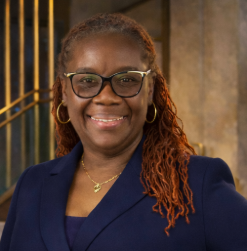
Meet Your Facilitator
Founder, STEPS Advocates | Educational Leadership Consultant
With 33 years in education as a classroom teacher, literacy coach, and school administrator, Candy Boyce understands the challenges of leading meaningful instructional conversations.
Her experience includes facilitating PLCs and data chats, developing instructional leadership systems, leading a K–8 school merger, contributing to an increase in a school's grade, and mentoring more than 15 educators who advanced into school leadership roles.
She founded STEPS Advocates to help school leaders strengthen instructional leadership, improve team practices, and connect leadership decisions to consistent classroom instruction.
Frequently Asked Questions
K–12 principals, assistant principals, instructional coaches, and leadership team members who facilitate data meetings, PLCs, or instructional planning conversations.
If available, bring a de-identified assessment summary or student work example. You can still participate without bringing data.
No. The focus is on facilitating productive conversations that connect evidence to instructional decisions and follow-through.
Yes. Registration includes a one-page Data Conversation Guide that you can use to structure future meetings.
No. Data Conversations is a standalone workshop. If you've completed Priority Blueprint™, you may bring an identified instructional priority to apply during the session.
No. Data Conversations focuses on strengthening how leaders facilitate instructional conversations. The diagnostic debrief is a separate service focused on your school's assessment findings and 90-day planning.
Your Next Conversation Matters
The next assessment results will come.
The next PLC will take place.
The next data meeting will be scheduled.
The question is whether that conversation will lead to another discussion about scores or meaningful changes in instructional practice.
You can change how the conversation begins, what teachers contribute, and how the team follows through.
Give teachers a reason to lean into the conversation.
January 14, 2027 | 7:00–8:30 PM Eastern
90 Minutes Live Online | $79 Per Participant